— by Maheen Ahamed —
Bangladesh’s political and social environment is being actively reshaped by Generation Z, which is becoming a powerful force. In recent campaigns calling for accountability, openness, and structural reforms in government, this group has been instrumental. A significant turning point was the “July Revolution” of 2024 when students spearheaded mass demonstrations that finally questioned long-standing authoritarian policies and emphasized the need for changes to the legal system, election process, and governance frameworks.
Youth organizations and leaders have been especially outspoken about advancing equality, guaranteeing free expression, and putting an end to corruption. Initiatives have also emphasized the value of inclusive policymaking, in which youth opinions are incorporated into choices on social welfare, education, and technology.
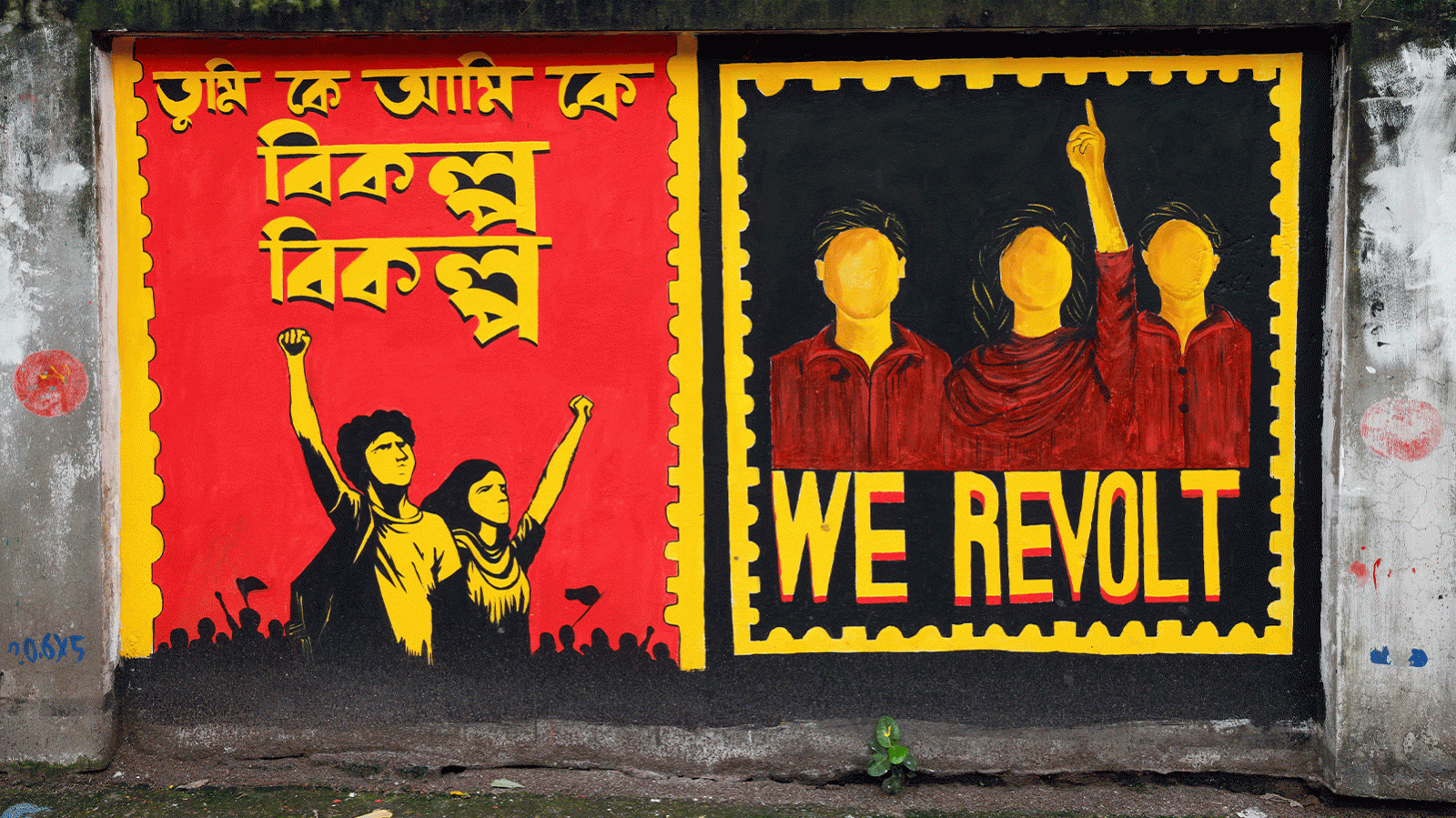
Protest art and music, for example, have been instrumental in bringing disparate social groups together and inspiring Generation Z. Symbols of resistance, rap music and visual arts have elevated the voices of a generation committed to imagining a decent and equitable world.
With a major section of its population being young, Bangladesh is taking advantage of its demographic dividend. The activism of this generation points to a bright future based on creativity, inclusivity, and moral leadership. With the overthrow of Sheikh Hasina’s government, which many have characterized as an authoritarian one, Bangladesh is entering a new age that is mostly being led by Generation Z. Many are referring to the start of a “New Bangladesh” as a result of the youth movement, which was instrumental in overthrowing the government. Demands for increased democracy, social justice, and accountability are the foundation of this shift. Young people’s involvement and protests have raised awareness of issues including electoral reform, censorship, and corruption.
The overthrow of Hasina’s administration signifies a dramatic change in the political climate, with young leaders calling for a more open and inclusive system. The movement for reforms is gathering steam as young leaders band together to guarantee a government that works for the people, not the elites, even if the political landscape is constantly changing.
The ideal society for this new Bangladesh is one that places a high priority on human rights, democracy, and sustainable development. Gen Z has been able to organize significant segments of the public, including people of all ages and underrepresented groups, through the use of social media, innovative activism, and grassroots movements. Rebuilding institutions, holding free and fair elections, and resolving long-standing socioeconomic problems will probably be the nation’s next priorities.