— by Anthony Kamalu —
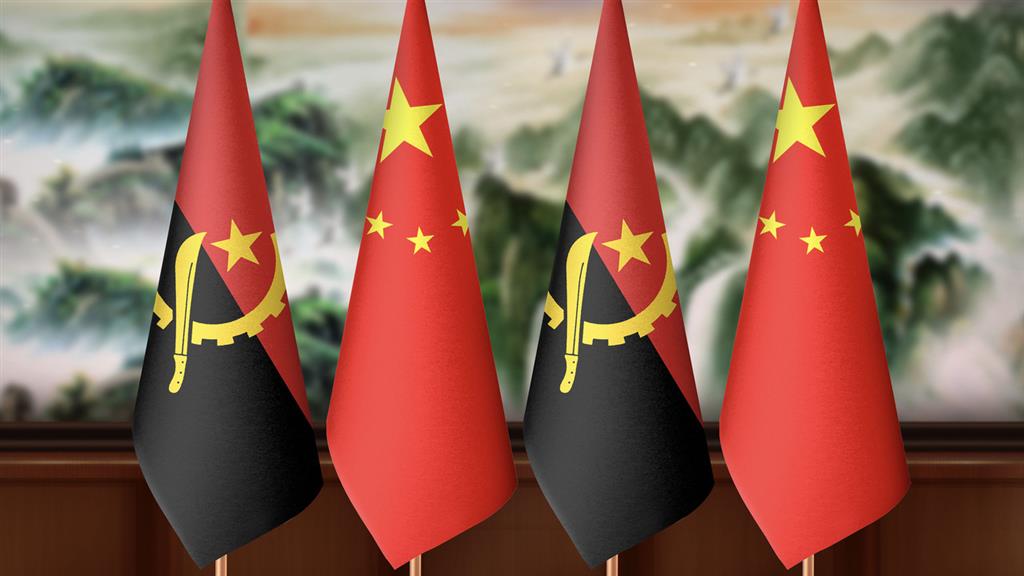
The relationship between China and Angola offers a compelling glimpse into the challenges of international partnerships in contemporary development. While it has brought notable opportunities to Angola’s recovery from decades of civil war, it also raises tough questions: is this a partnership based on mutual growth, or is Angola being exploited for its natural resources? To understand China’s role in Angola’s development, we need to examine its investments, infrastructure projects, and the impact on Angola’s economy and political independence.
Angola, a country situated in Southwestern Africa and second – the largest lusophone (Portuguese-speaking), abundant in natural resources but ruined by civil war, faced extensive reconstruction needs when peace was restored in 2002. Around the same time, China was emerging as a global power, hungry for resources to fuel its rapid industrial growth. This created the perfect opportunity for both nations: Angola needed financing, and China needed Crude oil.
The role of China in Angola predominantly functions via oil-backed credits. Angola borrows money from China to fund its infrastructure projects and repays the loans with oil. At first glance, this seems like a mutual benefit: Angola in return receives modern infrastructure such as; roads, hospitals, and railways, while China bags a steady oil supply in return.
Nevertheless, this structure significantly benefits China as claimed by critics. The reliance of Angola on oil makes it vulnerable to price drops, leaving the country struggling to repay its debts. By 2024, Angola owed China nearly $17 billion. In agreement, China revised the debt service result freeing up between $150 million and $200 million per month for Angola. This leads to Angola’s fears of a “debt trap” to this day. Additionally, many Chinese-funded projects use Chinese workers and materials, limiting job opportunities and skills development for Angolans.
China has undeniably transformed Angola’s infrastructure. Projects like the Benguela Railway and the Kilamba Kiaxi housing complex are tangible signs of progress. These initiatives have improved transportation and urban development, crucial for a country rebuilding after the war.
But there’s a downside. Some projects have been criticized for poor quality or lack of usefulness. For example, Kilamba Kiaxi, designed to house thousands, became a ghost town for years because most Angolans couldn’t afford the homes. These issues raise questions about whether the projects truly address Angola’s needs or simply serve China’s “selfish” interests.
China’s impact isn’t limited to construction projects—it extends into Angola’s political landscape. Unlike Western donors, China doesn’t impose conditions like promoting democracy or fighting corruption. While this no-strings-attached approach appeals to Angola’s leaders, it risks enabling corruption and bad governance.
Moreover, Angola’s heavy dependence on Chinese loans creates an unequal relationship. Some argue that this dependence erodes Angola’s sovereignty, making the country more beholden to China’s interests than its own people’s needs.
Labeling China’s role in Angola as purely exploitative oversimplifies the situation. China has provided crucial resources and monetary support at a time when Angola needed them most. However, Angola’s government also has a responsibility to ensure these investments benefit its people. This means diversifying its financial structure beyond oil, improving transparency, and negotiating better terms with China.
In a nutshell, China’s role in Angola sits at the crossroads of development and exploitation. While the partnership has brought much-needed infrastructure and financing, it has also exposed Angola to significant risks. For this relationship to truly work, Angola must prioritize self-reliance, ensuring its natural resources and foreign partnerships benefit its citizens. Only then can Angola turn its partnership with China into a foundation for sustainable growth rather than a story of dependency.