
— by Alperen Keskin —
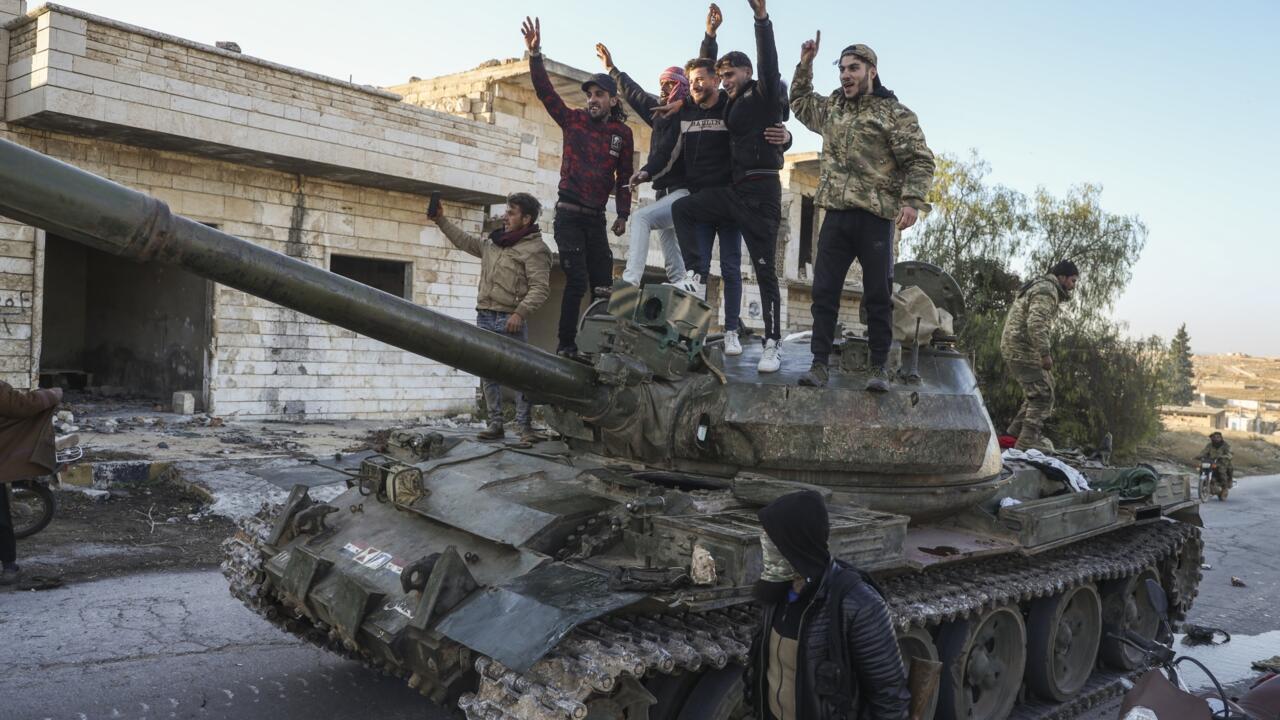
Arab Spring started, has it already finished? What is happening in Syria today has given us a clear answer: No. A couple of days ago power balances in the Middle East changed by the fall of Assad, who has been ruling Syria for many years. However, when we look at the map of the Middle East, especially Syria shows us that power balance in the region may break apart drastically.

The map above which illustrates the dominant military forces within Syrian lands shows that the balance is not yet established in the region. After Assad’s fall, Iran and Russia are still keeping their silence about their policy-to-be for Syria.
Without any doubt, the recently developed interconnectivity of the Syrian civil war and other major issues, namely, the Russian Invasion of Ukraine, Israel – Iran tension, and the change of the United States government encouraged military opposition forces in Syria. Because major actors in the region such as the United States, Russia, and Iran are too busy with their internal issues, Islamic forces such as Hayat Tahrir al-Sham, and Kurdish forces found a rabbit hole to change the power balances in their favor. As the only state-level actor in the region, Turkey has a major responsibility for the future of Syria.
Around 4 million Syrians who are under “temporary protection” status in Turkey started to celebrate the fall of Assad. It can be said that this celebration can leave its place to an instant regret in the upcoming days since even the near future of Syria is uncertain. Three possibilities are waiting for Syria in the near future.
- First Pathway: It is likely for HTS and Kurdish forces to sit at a table and negotiate the new map and the new order of Syria. Turkey will be the surprising factor in this case; it was not a long time ago when Turkey and Kurdish forces clashed in Northern Syria.
- Second Pathway: All military forces will keep their position excluding Assad and Assad-supported forces. For regional forces like HTS and Kurdish–Syrian–led Syrian Democratic Forces (SDF), it is vital to be supported by global powers.
- Third Pathway: Since Assad, one of the biggest actors in the region, has fallen opposite forces may start claiming full sovereignty in the region. If different opposite forces cannot agree to disagree upon their ideological positions, a new Syrian civil war can emerge.
But it is important to remember that all the possibilities are related to the changes and news of other hot topics in the world. Even a small breath of a butterfly in Kyiv can influence the future of Syrians.


You must be logged in to post a comment.